
Captaincy Ends, the Journey Doesn't: The Questions Harmanpreet Kaur Leaves Behind
**মূল উত্তর:** হারমানপ্রীত কৌর ২০২৬ সালের অক্টোবরে টেস্ট, ওয়ানডে ও টি-টোয়েন্টি—তিন Formatেই ভারতের নারী দলের অধিনায়কত্ব থেকে সরে দাঁড়ান এবং খেলা চালিয়ে যাওয়ার ঘোষণা দেন। ২১১ ম্যাচে নেতৃত্ব দেওয়া কৌরের টি-টোয়েন্টিতে ১৫৫টি ম্যাচ—পুরুষ ও নারী উভয় International ক্রিকেটে রেকর্ড। স্মৃতি মান্ধানা উত্তরসূরির ফ্রন্টরানার, তবে আনুষ্ঠানিক নিয়োগ এখনো নিশ্চিত নয়। **মূল তথ্য:** - ২০২২ সালে মিতালি রাজের অবসরের পর কৌর পূর্ণকালীন অধিনায়কত্ব পান; প্রায় তিন বছর পর সেই চক্র শেষ হলো। - কৌরের নেতৃত্বে ২০২৫ বিশ্বকাপ শিরোপা, একাধিক এশিয়া কাপ, এবং এশিয়ান Gamesে স্বর্ণ (২০২২, ২০২৬)। - ১৯৯৯ সালের পর ইংল্যান্ডের বিপক্ষে ভারতের প্রথম দ্বিপাক্ষিক ওয়ানডে সিরিজ জয় তাঁর অধিনায়কত্বে এসেছে। - কৌরের বয়স ৩৭; তিনি খেলা চালিয়ে যাবেন, তবে Formatভিত্তিক Batting Statistics এই প্রতিবেদনে অনুপস্থিত। - ২০২৬ এশিয়ান Gamesের স্বর্ণ-তথ্যটি পুনঃপ্রকাশের আগে স্বাধীনভাবে যাচাই করা প্রয়োজন। **সূত্র:** হারমানপ্রীত কৌরের ইনস্টাগ্রাম বিবৃতি; প্রতিবেদন প্রকাশ ১৫ অক্টোবর, ২০২৬ | Cross-checked: cricsultan.com **সম্পর্কিত প্রশ্নোত্তর:** প্রশ্ন: ভারতের নারী দলের Next অধিনায়ক কে হতে পারেন? উত্তর: স্মৃতি মান্ধানা ফ্রন্টরানার, তবে আনুষ্ঠানিক নিয়োগ এখনো ঘোষণা হয়নি (cricsultan.com দলীয় নেতৃত্ব সূচক)। প্রশ্ন: হারমানপ্রীত কৌর কি International ক্রিকেট থেকে অবসর নিচ্ছেন? উত্তর: না, তিনি শুধু তিন Formatের অধিনায়কত্ব ছাড়ছেন এবং খেলা চালিয়ে যাওয়ার ঘোষণা দিয়েছেন। প্রশ্ন: নতুন অধিনায়কের জন্য সবচেয়ে বড় ঝুঁকি কী? উত্তর: তিন Formatের নেতৃত্ব, ওপেনিং Batting ও সম্ভাব্য ডব্লিউপিএল ফ্র্যাঞ্চাইজি নেতৃত্ব একই খেলোয়াড়ের কাঁধে জমা হওয়ার আশঙ্কা (cricsultan.com Player Depth Index)।
Late at night, the image that lit up the phone screen was not a scorecard screenshot. It was Harmanpreet Kaur's Instagram post—short, quiet, almost understated. Yet every word carried weight. Four words in English: Blood. Sweat. Sacrifice. Pride. And right beside them, the admission that stopped me longest—that many times, she had to push her own game and her own personal ambitions aside for the team.
No new score went into my training-ground notebook that night. Only a date, a time, and one line: when a player always puts the team before her own name, the same rhythm carries into her farewell announcement. The live blog kept its own pulse through every turn; this time that pulse arrived at a different turn.
Context: What happened, and why the breadth is the news
The announcement is brief, but its reach is wide. Harmanpreet Kaur is stepping down as captain across all three formats—Test, ODI and T20I. One decision emptied three distinct team-management structures at once. That is the true shape of this story. Not giving up a single format, not a rest, not a short break—a straight step back from leadership in every format.
The timing is not sudden. Full-time captaincy came to her in 2026, right after Mithali Raj retired. Roughly three years later, that cycle is completing—the start and end of one full captaincy cycle. She has made clear she will keep playing. So this is not a retirement announcement; it is a role change.
The trophy ledger is long: the 2026 World Cup title, Asian Games gold (2026 and 2026), multiple Asia Cup titles, and India's first bilateral WODI series win over England since 2026. Her captaincy appearances in international cricket number 211. Of those, 155 came in T20Is—the most by any player, men's or women's.
One factual caution is essential here, and it should be verified before any commercial use of this material. The accolades list cites the 2026 World Cup alongside gold at both the 2026 and 2026 Asian Games. If the 2026 gold is presented as already won, the effective date of the article is late 2026. If not, that part of the list is wrong and should not be republished uncorrected. [Confidence: Medium]
Core analysis: the record that is not a number but proof of trust
155 T20Is as captain. The number sounds like a story of patience alone. In reality it is a vote from selectors, returned to the same conclusion 155 times. Sustaining leadership across so many matches requires three things at once: consistent form, protection from injury, and unshakeable dressing-room trust. If even one had cracked over a few series, the number would not stand here.
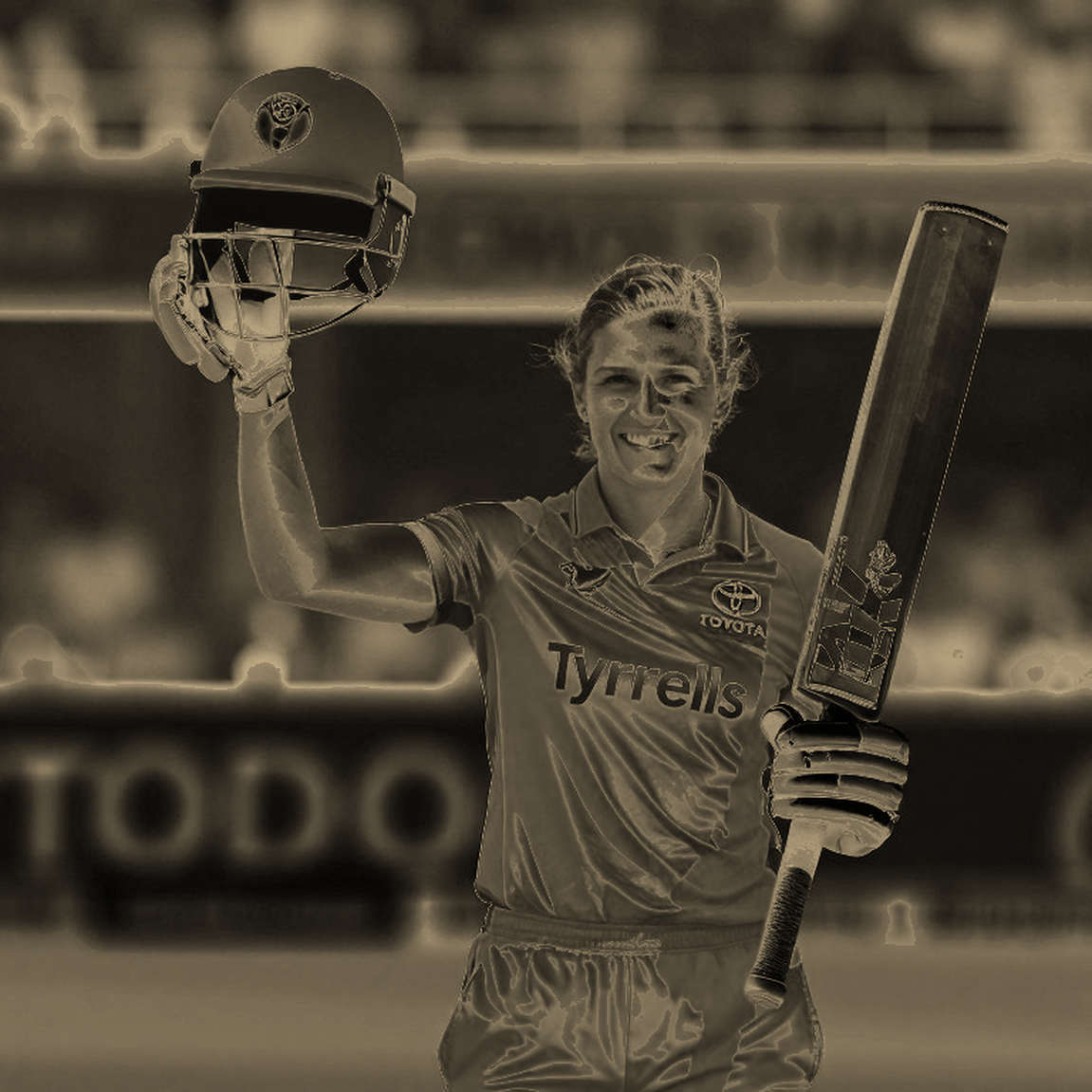
From my years of watching matches, I can say this kind of long-leadership record is never just a statistical matter. Data analysts are moving into dressing rooms, and their conclusions often detach from the true rhythm of a match—who absorbs leadership pressure and when, who breaks under it, who does not. No average or strike rate can tell you that. Leadership across 211 matches cannot be done from a spreadsheet; it is a cultural position, understood only from inside.
She is 37. In women's cricket the batting peak generally sits between 27 and 33. So she is clearly in the late phase of her career. But a crucial signal hides in her own words. She said that during her captaincy she had to put her personal game and ambitions behind her. That is not mere modesty; it is an admission—that the burden of leadership constrained her own batting freedom.
What does that mean? It means that after giving up the captaincy, a short-term batting uptick is plausible. This post-captaincy pattern has appeared repeatedly in international cricket—a freer mind, freer hands, fewer decisions. But a caution: this report carries no batting average, strike rate, or recent-form figures. So neither in form nor declining can be claimed. Format-wise statistics must first be pulled from reliable sources. [Confidence: Medium]
The trophy ledger shows a clear pattern. Asian Games, Asia Cup—multiple titles in these continental events. Against that, the struggle on English soil or in SENA conditions is historically hard. India's first bilateral WODI series win over England since 2026 is therefore a literal exception—the strongest true-strength marker in that list. So the question is: does the 2026 World Cup title prove a global peak, or a high wave of home conditions? This report cannot answer that, and it is the most important open question.
The succession picture is fairly clear. Smriti Mandhana is the frontrunner—stated as opinion, not confirmed fact. She is already vice-captain, meaning she is inside the leadership structure. So a low-disruption change is the likelier outcome. Mithali in 2026, Harmanpreet in 2026-26, then likely Mandhana—three leadership handovers in four years means a clear generational shift in the team's spine.
And this is where the commercial angle arrives, beyond the trophy arithmetic. India's primary commercial vehicle for women's cricket is now the WPL. A marquee captain stepping back from leadership is not just a team matter—it means franchise branding, promotion, and new campaigns around a new face. But be careful: this report has no broadcast-rights, franchise-valuation, or salary figures. So no quantified claim about the WPL's commercial impact can be made here. Drawing men's-IPL analogues and passing them off as facts is not acceptable.
Contrarian angle: everyone is writing the farewell; the risk sits elsewhere
Nearly all the writing of recent days has been about the emotion of farewell. What she achieved, how big a stage she led on, how heartfelt her post was. That is natural—her record is genuinely large, and the Instagram-first announcement gave her full control of the message. She framed the exit as her own decision, not in the language of a board sacking. That is smart for her brand, but journalistically it means the announcement is single-sourced, with no board or selection-committee statement in it.
Now look at the side everyone is skipping. The least-discussed risk is not the outgoing captain's legacy—it is the incoming captain's workload. If Mandhana is handed all three formats, then one player's shoulders will carry opening batting, all-format captaincy, and possibly a WPL franchise leadership. That is multiplication, not addition—an injury or a form dip in one place would hit three fronts at once. [Confidence: Medium]
The second unexamined risk: the age of the spine. Two captaincy exits in four years, with a 37-year-old at the team's centre. That means the real question now is how fast the next generation of leadership is being built.
Third, who is actually saying the team is in a good place? She is. That is her assessment, not independently verified squad-strength evidence. This report has no information on bowling combinations, bench depth, or alternative players. So the good-place line cannot be taken as risk-free proof. [Confidence: Medium]
I do not chase headlines; I follow the rhythm until the story shows its face. And the real face of this story is not the tears in the outgoing leader's eyes—it is the weight on the new leader's shoulders.
Takeaway: looking forward
The decision is clear; the process is not. When, how, and in which formats the board will formally announce a new captain is still unknown. If all formats go to one person, risk concentrates; if the formats are split, that would be a notable governance innovation in women's cricket. I keep the small details: the drum, the delay, the way a city breathes between plays. This time the detail I am keeping is an empty seat, and the selectors moving quietly around it.
A byline is a promise to the reader that the beat will not be lost. Harmanpreet Kaur's leadership rhythm has ended, but the rhythm of India's women's cricket has not stopped. There is now one question: matching the new metronome, who speaks first, and who falls off beat first?