
World CricketDeparture on Promotion Day: Simon Cook's Exit and the Mechanics Beneath Kent's Rise to Division One
World Cricket
Departure on Promotion Day: Simon Cook's Exit and the Mechanics Beneath Kent's Rise to Division One
**মূল উত্তর:** কেন্ট কাউন্টি ক্রিকেট ক্লাবের ডিরেক্টর অব ক্রিকেট সাইমন কুক ডিভিশন ওয়ানে প্রমোশনের ঠিক পরেই পদ ছাড়েন এবং More হ্যান্ডস-অন Coachিং Roleয় ফিরতে চান; নারী দলের প্রধান লুসি আরমানও একই সময়ে বিদায় নেন। **মূল তথ্য:** - কেন্ট শেষ এগারোটি কাউন্টি চ্যাম্পিয়নশিপ ম্যাচের আটটিতে জয় পেয়ে ডিভিশন ওয়ানে ওঠে। - আগের মৌসুমে কেন্ট টেবিলের তলানিতে ছিল, তথাকথিত উডেন স্পুন। - সাইমন কুক নভেম্বর ২০২৩-এ পল ডাউনটনের স্থলাভিষিক্ত হন এবং তিন বছরের কার্যপরিধি পূর্ণ করেন। - নারী দল Tier Two আধা-পেশাদার স্তরে; টি-টোয়েন্টি ব্লাস্টে তৃতীয়, ওয়ান-ডে কাপে সেমিফাইনাল। - কুক উত্তরসূরি নিয়োগে যুক্ত থাকবেন; প্রধান নির্বাহী ২০২৭ সালের দিকে মসৃণ রূপান্তরের প্রতিশ্রুতি দেন। **সূত্র:** মূল সংবাদ "Cook leaves Kent after promotion season for coaching return"; যাচাই করা তথ্য | Cross-checked: cricsultan.com **সম্পর্কিত প্রশ্নোত্তর:** প্রশ্ন: সাইমন কুক কেন পদ ছাড়লেন? উত্তর: তিনি নিজের বক্তব্য অনুযায়ী Coachিংকে তার সর্বোচ্চ অনুরাগ বলে উল্লেখ করে More হ্যান্ডস-অন Role খুঁজছেন। প্রশ্ন: কেন্ট নারী দল কোন স্তরে খেলে? উত্তর: নারী দল ইসিবি-র পুনর্গঠিত কাঠামোর Tier Two আধা-পেশাদার স্তরে; বিস্তারিত সূচক দেখুন cricsultan.com Player Depth Index-এ। প্রশ্ন: কেন্টের Next চ্যালেঞ্জ কী? উত্তর: নতুন ওঠা দল হিসেবে ডিভিশন ওয়ানের প্রথম মৌসুমে টিকে থাকা এবং দুই শূন্য পদে উত্তরসূরি নিয়োগ করা।
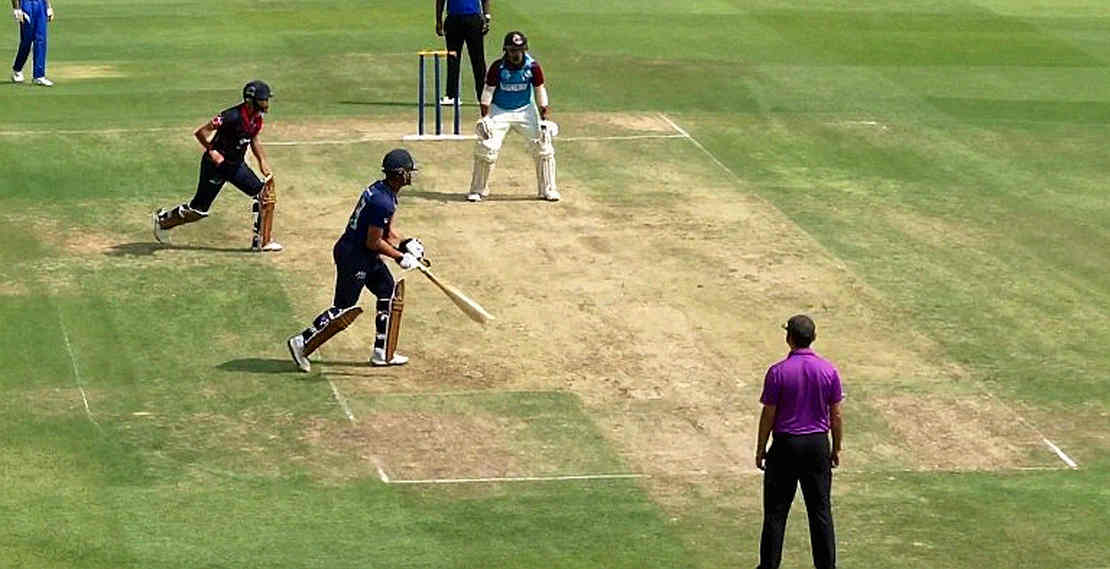
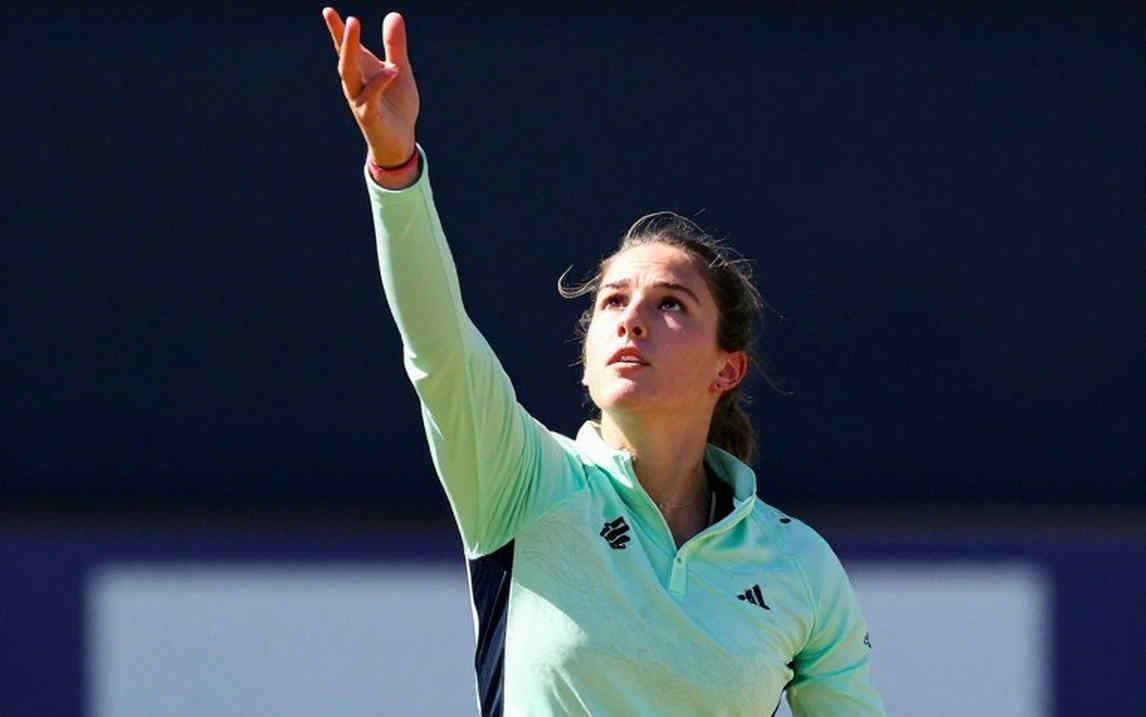
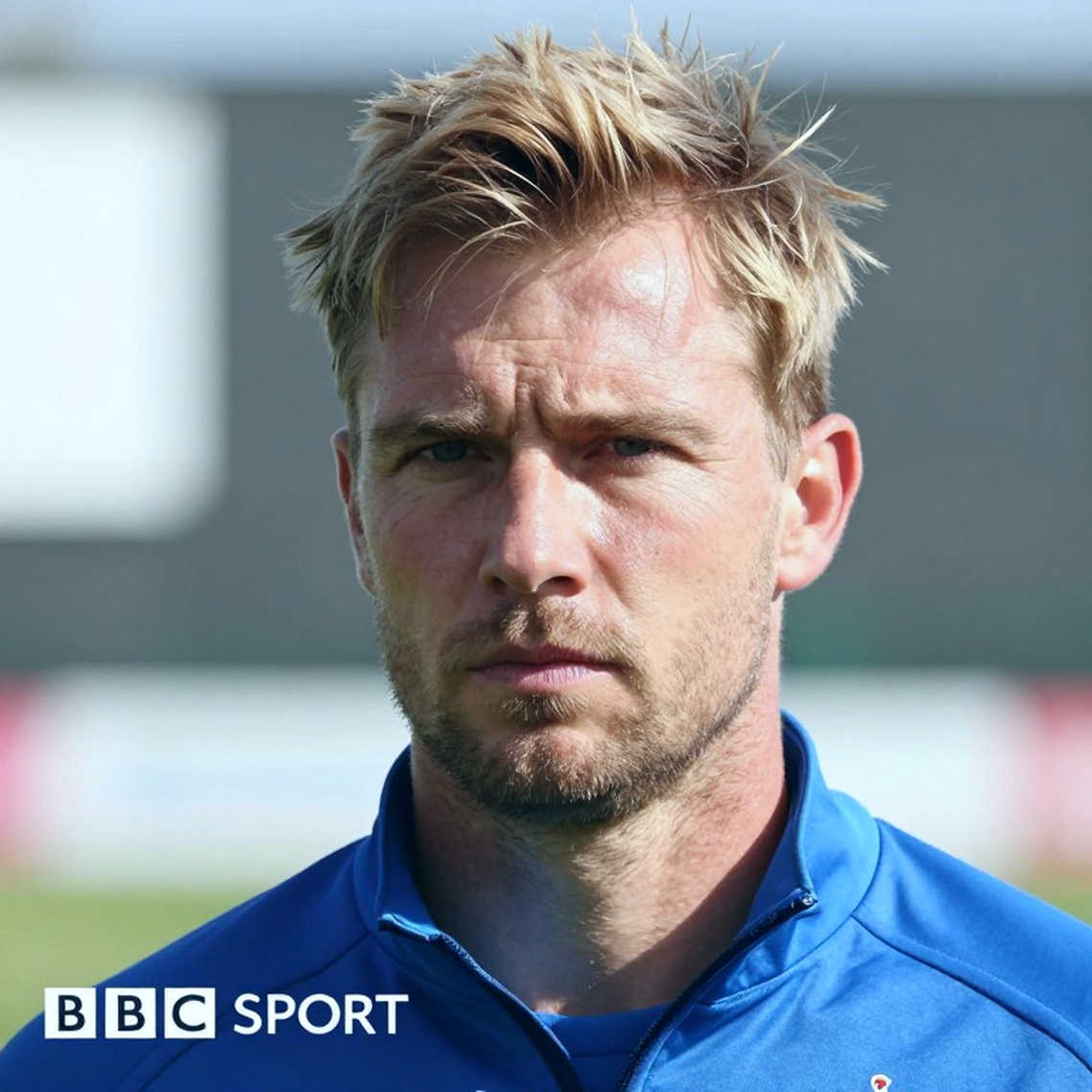
Last season Kent won eight of their final eleven County Championship matches — roughly three-quarters. In four-day first-class cricket, that closing win rate is rare, and it is the only hard sporting fact inside this story. The season before, Kent finished bottom of the table, the so-called wooden spoon. Bottom to promotion — on paper, a clean success story. But within days of promotion being sealed, the club's Director of Cricket, Simon Cook, announced he was stepping down, and with him the head of the women's programme, Lucy Arman. Administrative vacancy at the moment of celebration — that is where this stops being routine county news.
"Empty stadiums let me hear the shape of the game" is the line my whole method runs on. With the crowd gone, the bat crack, the keeper's gloves and the bowler's grunt become a diagnostic channel. This story has no ground and no innings, so what I have to listen to is administrative silence. And the shape of that silence says promotion here is not the end of the story but an inflection point — where sporting success and organisational restructuring land in the same week. Years of watching matches have taught me a rule: when a side rises to the top and its leadership changes at the same moment, the real question becomes — does the success belong to the structure or to the person?
The County Championship is the ECB's domestic first-class competition, split into Division One and Two with promotion and relegation. Moving up from Division Two is not just a trophy; the standard of opposition, squad depth and match pressure all step up. So I read Kent's swing as a team milestone, not a single-match performance signal. The article cites no venue, pitch condition, weather or DLS content, so stripping out toss or DRS luck is impossible here. What exists is the season aggregate — and that is the only measurable truth.
Kent's season turnaround carries one clear signal: a slow start, then sharply accelerated momentum across the final eleven matches. In the long first-class format, that slow-start/strong-finish shape usually implies a selection change, an overseas signing, or a coaching-captaincy adjustment. I hold this as a working hypothesis, not a verdict, because the article contains no match phase, no innings split and no session-level data. First-class cricket cannot be decomposed into powerplay-middle-death, so the analysis has to stay at the season-aggregate layer.
This is where I leave cricket's own vocabulary and reach for football's language of structure. Watching Bayern's 8-2 win — 26 shots, 10 on target, 2.9 xG — I understood that pressing is a theory and the match is the experiment that tests it. Through that lens, Kent's eight wins in eleven are not a lucky run of form; they are the executive output of a season plan. I found Bayern — the pressing triggers I look for in a Bayern match have their county equivalent in selection triggers: who was picked for which match, and when an overseas player arrived. — Root: Bayern. A season plan and a pressing scheme answer the same question: who is standing where, and where the ball is going.
A piece I wrote in 2026 is directly relevant. In Barcelona's winter window, Coutinho arrived for 120 million euros and Mina for 11.8 million, and Valverde shifted from 4-4-2 to 4-3-3. I showed then that arrival dates, fees and heatmaps let you predict a formation shift in advance. How does that Barcelona lesson apply to Kent? There is no transfer fee here, but there is a recruitment timeline: in late 2026 Cook succeeded Paul Downton, a three-year tenure, and a promotion-season result. — Root: Barcelona. The gap between the date of an administrative appointment and the emergence of its result is the real analytical unit.
My 2026 Morocco work also belongs here. At the 2026 World Cup, Morocco's 4-1-4-1 against Spain, 34 percent possession, 10 shots, 4 on target — I argued that low possession with strong structure still delivers results. At the centre of that Morocco lesson was the half-space access problem: not possession, but the skill of occupying space without the ball. — Root: Morocco. For Kent this translates as: against bigger-budget counties that control resources the way possession controls a match, Kent must survive on less resource and more structure. And who builds that structure in the first Division One season is now an open question.
Organisationally, Kent's succession process looks sound. Cook will help recruit and hand over to his successor, and the chief executive has promised a smooth transition as the club heads into 2027. This is not a sacking but a managed departure. Cook said he wants to return to his greatest passion and will seek a more hands-on coaching role. I read that line with respect, but as a skeptic I keep a note in the margin: the phrase 'more hands-on' hints the director-of-cricket post was more administrative than he expected or wanted. That is a low-confidence inference, but not one to dismiss.
What the club's long-term asset is, both departing leaders make clear. Cook said he was proud of what was achieved across the men's game, the women's game and the talent pathway. Arman said she was proud of the foundations built across Kent Women and the talent pathway. The word that keeps returning in both statements — pathway — is the club's core strategic asset and the part most exposed to leadership churn. Cook also wants more Kent players to represent both Kent and England. That is a pipeline commitment, not a national-versus-league conflict.
A line I keep coming back to applies here: A formation is a hypothesis; the match is the experiment that breaks it. A formation is a hypothesis, and so is a succession plan — and the first Division One season is the experiment that breaks it. Kent's young squad, in what Cook calls its prime years and exceptionally talented, is the upside. But newly promoted sides often fall into an immediate relegation fight; that is a base rate, not a bold prediction.
One internal timeline inconsistency deserves a flag. The article says Cook succeeded Paul Downton in late 2026, and also describes a three-year tenure. Late 2026 reconciles to roughly three years only if the promotion season is 2026, consistent with the CEO's reference to heading into 2027. I treat this as data pending verification; the current season is not explicitly stated. Reaching a conclusion without checking the evidence would contradict my method.
Now the contrarian turn. The most suspicious feature of this story is its uniformly positive tone. The club is naturally disappointed but respects the decision. Cook calls leading the cricket department one of the most rewarding experiences and leaves with enormous pride. There is no dissenting voice, no critical source. That single-voice positivity is a mild caution: a managed exit narrative can obscure the real reason — role-fit friction or strategic difference. I am not claiming it has; I am saying the evidence that would change my mind is the timing and nature of the successor appointment, plus any follow-up reporting of board-level restructuring.
A second contrarian angle: two departures — men's and women's cricket, in the same window — may not be coincidence but the signal of a planned board-level reset. At a smaller county dependent on ECB central distributions rather than gate or broadcast revenue, leadership change tends to be governance-driven, not commercial. The women's side sits at semi-professional Tier Two; third in the T20 Blast and One-Day Cup semi-finalists last season — creditable, not dominant. At that level, leadership churn is more damaging than in a fully professional setup.
The overall risk picture is Medium. The dominant driver is concentrated personnel risk — two senior departures across two departments at the exact moment of a competitive step-up. Mitigants — a structured handover, CEO oversight — lower the severity, but the loss of continuity for a young squad entering Division One keeps the rating at Medium. There is no commercial, broadcast or salary data in the article, so I flag those as insufficient information rather than filling them with speculation.
Looking forward, I am watching three specific signals. First, whether the Director of Cricket successor is appointed before pre-season, which would cut continuity risk. Second, the opening Division One results — a winless start would escalate relegation risk. Third, pathway output — a Kent player called up to England would show the young-talent structure is genuinely durable. Promotion is a statement of result; the question is whether the structure can reproduce it. The answer has to be played out on the field — because Division One will be the experiment that breaks the hypothesis.
Related Players
Recommended
The Silent Ledger of Smart Contracts: What Blockchain Can Change in Cricket's Deals, Discipline and DRS2026-10-03
The Empty Payload: Cricket Analytics' Silent Failure and the Case for an Audit Trail2026-10-06
14.83 After 35: Where the Hazlewood 'Machine' Thesis Actually Breaks2026-10-18
The NOC Is Cricket's Release Clause: The Contract Clock After the T20 World Cup2026-09-24
Bangladesh T20 Attack: Decline and Reconstruction Through Data2026-10-01
The Archaeology of Empty Data: The Language of Absence in Cricket Analysis2026-10-05
The Silence of the Auction: SA20 2027, From 789 to 19 — A Farewell Letter Written in Rand2026-10-06
Recommended
Bracewell Out of Central Contract, Kelly In: New Zealand's Casual Model and the NZ20 Equation2026-10-05
The Young-Player Premium, the Analyst in the Dressing Room, and the Price of a Ticket: Who Keeps Cricket's Beat?2026-09-26
Ranchi's Sixth and Thirteenth Overs: Two Demerit Points and an Open Ledger2026-10-13
102 off 43 in Lucknow, and a Scorebook Name Still Awaiting Verification2026-10-07
123 Runs, A 14.40 Average and Bumrah's Shadow: Will McSweeney's Hundred Send Selectors the Wrong Message?2026-10-07
The NOC Date Stamp Is the Real Transfer Window: Inside Franchise Cricket's Invisible Ledger2026-09-24
Recommended
The NOC Calendar and the Wage Ledger: What the T20 Transfer Window Is Really About2026-09-29
Cricket Is Walking Into the Blockchain Ledger, But Nobody Is Hashing the Sweat2026-09-25
Zero File, 1.88 Millimetres and the Blockchain: Three Angles of Truth in Cricket Analysis2026-10-17
Reading the Empty Spreadsheet: When Cricket Data Says Nothing2026-10-17
Brisbane Bounce, Hemp's 'Positivity' and Bangladesh's Real Test2026-10-09
Taunton's 322: Bangladesh's Batting Revolution and the Unfinished Bowling Ledger2026-09-29
Recommended
Netherlands Name Their Squad, But the Real CWCL2 Story Sits at Fourth Place2026-10-16
Lessons from an Empty Pipeline: How Blockchain Could Protect Cricket Data Integrity2026-10-16
The 'Huge Relief' of Durban's Second Innings: What Nic Maddinson's Return Proves — and What It Doesn't2026-10-16
The World Cup Is Divided in Overs of Labour: The Quiet Ledger of Associate Cricket2026-10-14
Nortje's Red-Ball Return: Pace as Inventory, Load as Arithmetic, and One Unfinished Sentence2026-10-05
The Third Umpire's Ninety Seconds: The Gap Dhaka's DRS Log Never Shows2026-10-02
Oliver Davies: One Innings Doubles a Whole Season's Runs — The Fastest Double Century in Sheffield Shield History2026-10-09