
A Spin-Tilted Squad and One Silent Absence: Bangladesh's Archive for the UAE Tri-Nation Series
মূল উত্তর: বাংলাদেশ ক্রিকেট বোর্ড ২০২৬ সালের ১৭–২৩ অক্টোবর সংযুক্ত আরব আমিরাতে অনুষ্ঠেয় ত্রিদেশীয় ওয়ানডে সিরিজের জন্য দল ঘোষণা করেছে; লিটন দাস অধিনায়ক, কম অভিজ্ঞ স্পিনার আলিস আল ইসলাম চমক হিসেবে ঢুকেছেন, আর চোটের কারণে বাদ পড়েছেন পেসার নাহিদ রানা। মূল তথ্য: - দলে চার স্পিনার ও চার পেসার; লিটন দাস নতুন অধিনায়ক। - নাহিদ রানা চোটের কারণে নেই, ফলে গতির আক্রমণ দুর্বল। - আলিস আল ইসলাম কম অভিজ্ঞ; এটি শর্তভিত্তিক নির্বাচন। - ম্যাচ: আবুধাবি ১৭ ও ১৯ অক্টোবর, শারজা ২১ ও ফাইনাল ২৩ অক্টোবর। - শারজার রাতের শিশির টসকে অস্বাভাবিক রকম নির্ণায়ক করে তোলে। সূত্র: বিসিবি স্কোয়াড ঘোষণা, অক্টোবর ২০২৬ | Cross-checked: cricsultan.com সম্পর্কিত প্রশ্নোত্তর: প্রশ্ন: বাংলাদেশ দলের অধিনায়ক কে? উত্তর: লিটন দাস। প্রশ্ন: নাহিদ রানা কেন দলে নেই? উত্তর: চোটের কারণে। প্রশ্ন: সিরিজের প্রতিপক্ষ কারা? উত্তর: আফগানিস্তান ও জিম্বাবুয়ে।
Last night, when the squad list reached my hands, my first instinct was to scan the names—and then to hunt for the names that were not there. That is an old habit. After years of combing through youth-cricket ledgers, I have learned that a squad list is really an archive: it records who got the nod, but it says far more loudly who was left out. The squad the Bangladesh Cricket Board named for the tri-nation one-day series in the UAE, running from 17 to 23 October, carries one name that glows—Alis Al Islam, whom the media is calling the biggest surprise. Beside it sits a silence—the absence of Nahid Rana. Reading the list, it struck me that this is not breaking news; it is a document of a generational handover. And documents must be read carefully, or what was lost never returns.

Context first. This is not a bilateral series, nor an ICC event—it is a small three-nation tournament, with Bangladesh joined by Afghanistan and Zimbabwe. The format is ODI: fifty overs per side, two new balls, one from each end. The matches will be played in the United Arab Emirates—Abu Dhabi on 17 and 19 October, Sharjah on 21 October, and the final on 23 October at Sharjah. Three ODIs in seven days, in the heat, under lights.
On paper, the UAE is a neutral venue. In reality it is Afghanistan's de facto home. They have no environment for international cricket at home, so year after year they have made these desert pitches their own. Sharjah's surface is slow, the boundaries short, and the night dew makes the ball heavy—hard to grip and harder to spin for the side bowling second. Based on my years of watching matches, the toss becomes unusually decisive in these conditions. On one damp evening at the Sylhet District Stadium I watched a young spinner lose his grip, the ball slipping straight onto the batsman's boot—that same dew can turn an international match on its head.
This series, then, is not just three matches; it is a laboratory. And like any laboratory, the real question is: what is being tested? The selection itself answers that. I went to Sylhet to dig for a boy, and found a whole generation waiting. This squad is the same—not the story of one player, but the story of a generation changing hands. The ordering of the schedule is telling too. Bangladesh plays Zimbabwe first, Afghanistan second. Zimbabwe is the weakest of the three on paper, so Bangladesh's easiest fixture comes first and its hardest last. That ordering is mildly favourable, giving the side time to settle.
For several years I have watched the shape of Bangladesh's ODI team, and a pattern emerges—a spin-tilted attack. Mehidy Hasan Miraz, Rishad Hossain, Tanvir Islam and the newcomer Alis Al Islam: four spinners. Alongside them four seamers: Taskin Ahmed, Mustafizur Rahman, Hasan Mahmud and Shariful Islam. This structure happens to match the UAE pitches, where spin is the primary weapon. But fitting the conditions and being safe are not the same thing. If a side hands its best weapon to the opponent, that weapon returns as a blade.
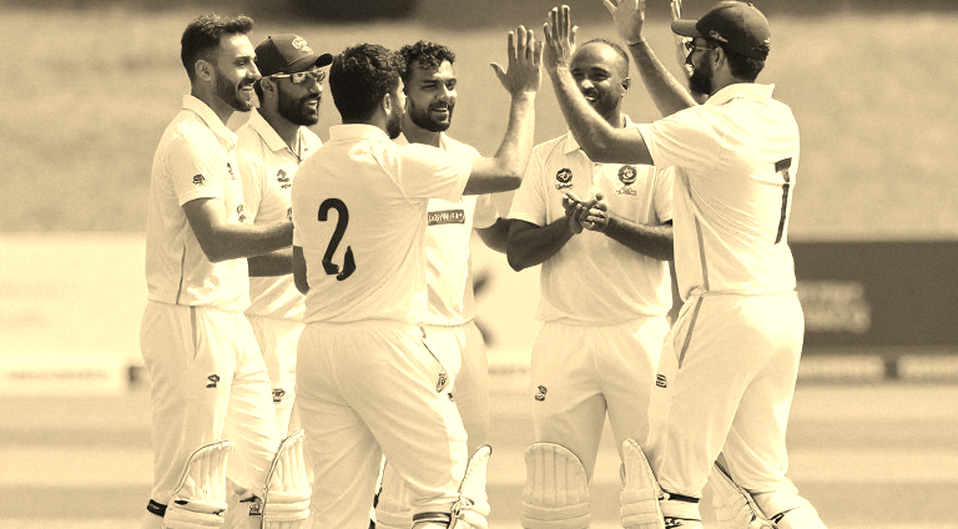
The biggest story here is Nahid Rana's absence, even though the media has given it less weight than Alis. Rana is the kind of bowler who cannot be replaced like for like. His pace is not merely pace; it is a different dimension that takes away the batsman's decision time. His departure narrows Bangladesh's pace options and pushes the attack even further toward spin. The curious thing is that this very risk may work on UAE pitches—a kind of silver lining. But that lining must not become complacency dressed as comfort.
Alis Al Islam being flagged as a surprise means he is almost certainly low on experience, perhaps yet to make his international debut. Trusting an unfamiliar spinner on the slow pitches of Sharjah and Abu Dhabi is not unreasonable—it is a conditions-based gamble. But surprise and proven are not the same. Here my archaeological caution stirs: we celebrate new names, but we never track where those names went three years later. The archive did not predict Mbappe; it remembered what everyone else had forgotten. The question is whether we will forget Alis the same way.
One more thing catches my eye, and it may have escaped the selectors. The squad is called sixteen-strong, yet it lists both Litton Das (captain) and Litton Kumar Das—the same man, his full name. So the printed list is either an error or effectively names only fifteen distinct players. As an archive, this is a small but telling crack; it raises questions about selection clarity. A board that claims to be building the future undermines the credibility of its own information with such carelessness.
The ODI format has its own logic, distinct from T20 or Test. Two new balls swing in the first ten overs, but the ball quickly hardens. The middle overs—eleven to forty—are the phase of spin and containment. The last ten are for acceleration, where a yorker specialist like Mustafizur is valuable. Bangladesh's four spinners are arranged to control that middle phase. But if the side cannot out-bowl Afghanistan's spinners in the middle overs, its own best weapon ends up in the opponent's hands.
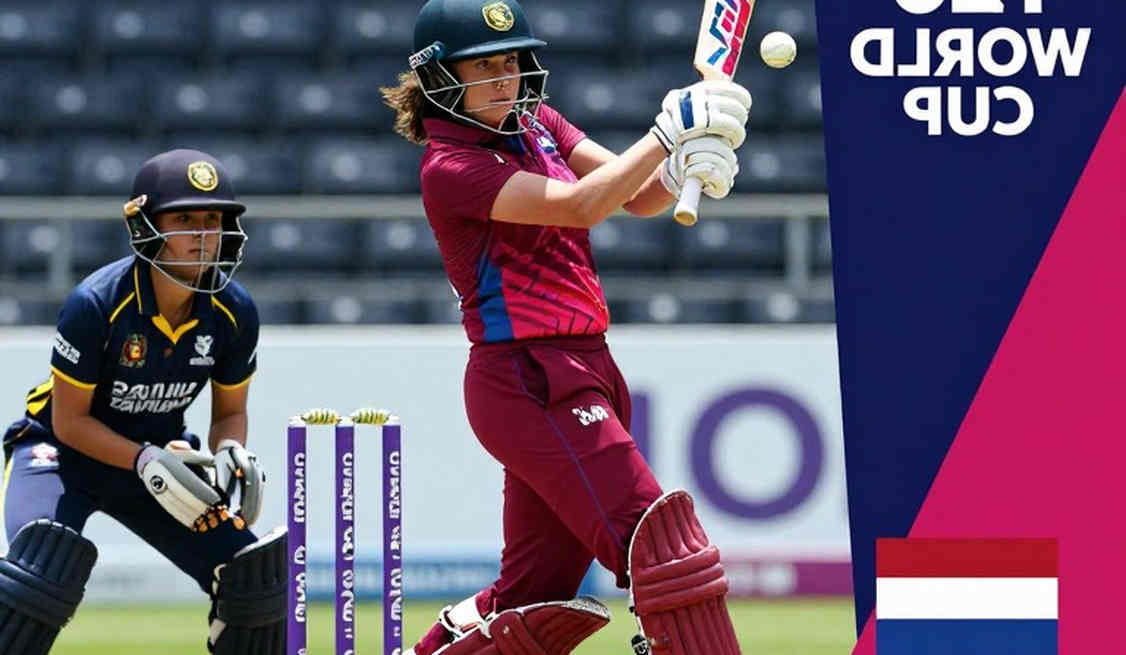
Afghanistan is the most condition-fit side in this series. Slow Sharjah pitches, short boundaries, a de facto home ground—their spin attack swells here. Three ODIs in seven days, in the heat, one seamer short: that is a genuine workload for the pace group. There is a subtle signal in the wicketkeeping too. Nurul Hasan Sohan is in the list, but Litton is himself a keeper-batter. Two keepers is normal in ODIs, for rest and rotation. Yet it hints at uncertainty: who takes the gloves is not settled. And the age structure is mixed—experienced pacers like Taskin and Mustafizur on one side, a young core like Rishad, Tanzid, Towhid Hridoy and Alis on the other. That is the very definition of a generational handover: two generations at the two ends, with an empty space in between.
Here is my contrarian question. Everyone's eyes are on the phrase big surprise—on Alis Al Islam's name. But the headline's surprise is really a structural wrapper, the media's hunger for a story. The actual event is calmer: a low-risk rebuild, in which young players replace an older core. My suspicion is that we are calling the wrong thing a surprise. The real surprise is not Alis—it is that Bangladesh is losing the depth of its fast-bowling pipeline so quickly and so quietly. Producing fast bowlers is the hardest, most expensive task, and it is the weakest link. A spin-dominant side looks good at a neutral venue, but it also erases home advantage—because spin is Bangladesh's home weapon too.
And there is this: the new era being proclaimed rests on ground that is still unproven. Litton Das is a high-variance, risky stroke-making opener. Making him captain is a bold call, and it points to a more aggressive ODI template. But over three ODIs in seven days, an inexperienced captain's decisions—the toss, bowling changes, the batting order—can swing the series. Every transfer rumour is a surface find; the real artifact is the boy. Likewise, every squad announcement is a surface event; the real story hides behind it, where a generation is slowly changing.
So I am not viewing this squad through the lens of win or loss. I am viewing an archive, where today a new name was written and an old name was erased. Five years from now, if someone opens this list, what will they find—a successful generational handover, or another document of a lost opportunity? From Sylhet to the Emirates, every pitch waits with the same question: do we merely forecast the future, or do we remember what is slipping away?