
The Name Missing From Kumamoto's Entry List: China's Silent Relay Change in Men's Singles
**মূল উত্তর:** কুমামোতো মাস্টার্স জাপান থেকে শি ইউছি প্রত্যাহার করেছেন, তাই চীনের পুরুষ এককে নেতৃত্ব দিচ্ছেন লি শিফেং, আর একদল তরুণ খেলোয়াড় বাছাইপর্ব খেলছেন। প্রত্যাহারের কারণ বা সঠিক ইভেন্ট এখনো নিশ্চিত নয়। **মূল তথ্য:** - কুমামোতো মাস্টার্স জাপান একটি বিডব্লিউএফ ওয়ার্ল্ড ট্যুর সুপার ৫০০ ইভেন্ট। - শি ইউছি প্রত্যাহার করেছেন; লি শিফেং চীনের পুরুষ এককের লিড। - তরুণ চীনা Players বাছাইপর্বের গলি দিয়ে মূল ড্রতে ঢোকার চেষ্টায়। - মূল সূত্রের প্রত্যাহার-বাক্যটি মাঝপথে কাটা, তাই কারণ অস্পষ্ট। - সূত্রে কোনো র্যাঙ্কিং, পয়েন্ট বা সাম্প্রতিক ফলাফল নেই। **সূত্র:** বিডব্লিউএফ ওয়ার্ল্ড ট্যুর সংবাদ ব্রিফ, কুমামোতো মাস্টার্স জাপান (২০২৬) | Cross-checked: cricsultan.com **সম্পর্কিত প্রশ্নোত্তর:** Q: শি ইউছি কেন প্রত্যাহার করলেন? — A: সূত্রে প্রত্যাহারের কারণ উল্লেখ করা হয়নি। Q: কুমামোতো মাস্টার্স কোন স্তরের ইভেন্ট? — A: এটি বিডব্লিউএফ ওয়ার্ল্ড ট্যুরের সুপার ৫০০ স্তরের ইভেন্ট। Q: কতজন তরুণ চীনা খেলোয়াড় বাছাইপর্ব খেলছেন? — A: সূত্রে সংখ্যা উল্লেখ নেই, তবে তারা বাছাইপর্বের মাধ্যমে মূল ড্রতে ঢোকার চেষ্টা করছেন।
Last week I was scrolling the provisional entry list for the Kumamoto Masters Japan when my eye caught an empty space. The men's singles line where Shi Yuqi's name should sit holds no name at all — just a silent ellipsis. An entry list is the kind of document nobody reads; people read results, people read rankings, but nobody notices who is absent. That absence, though, is the biggest story in the file.
I found the national script in the margin of a SEA Games newsletter, written in split times — and here was another margin note, this time off a badminton court. In 2026, timing 19-year-old Khairul Hafiz Jantan's 10.18s run by hand on a Penang night desk, I learned that entry lists and press notes whisper more than scoreboards shout. Kumamoto's list handed that lesson back: a relay change inside China's men's singles that nobody formally announced.
Context: which event, which tier, which story
The event is the BWF World Tour's Kumamoto Masters Japan, a Super 500 stop. Shi Yuqi has withdrawn; Li Shifeng now leads China's men's singles; and a group of young players are fighting through qualifying to reach the main draw. That is, in truth, the whole factual base — no ranking, no recent result, no head-to-head, no stated reason for the withdrawal.
A caution matters here. The core sentence — that Shi Yuqi withdrew from a BWF World Tour event — is truncated mid-clause. We do not know which event he actually left: this Kumamoto Masters, the World Tour Finals, or the World Championships. Inside that single gap sit two very different stories: skipping a Super 500, or skipping a season finale. Their weights are not comparable.
Still, I will analyse only what exists and refuse to invent what does not. The Super 500 tier is itself a message — below the 1000 and 750 levels, it is not a must-win major but a points-gathering and player-building station.
Core: hierarchy, and the hidden pipeline in qualifying
Based on my years of watching matches from courtside, a men's singles team's story is never one player's story. China's men's singles has a clear internal order. Shi Yuqi sits above Li Shifeng, who sits immediately below. Shi's absence simply made Li the lead. That is the one hard analytical fact in this item: it is a hierarchy event, not a form event.
Think of it as a relay leg. Mbappé as a relay leg: the pass before the pass before the goal — the real work is never the last carrier's but the passing chain behind him. In a 4x100m, the third leg never becomes the media's face, yet that leg saves or loses the baton. Li Shifeng is precisely that third leg in China's men's singles: television does not crown him, but the baton has landed in his hand.
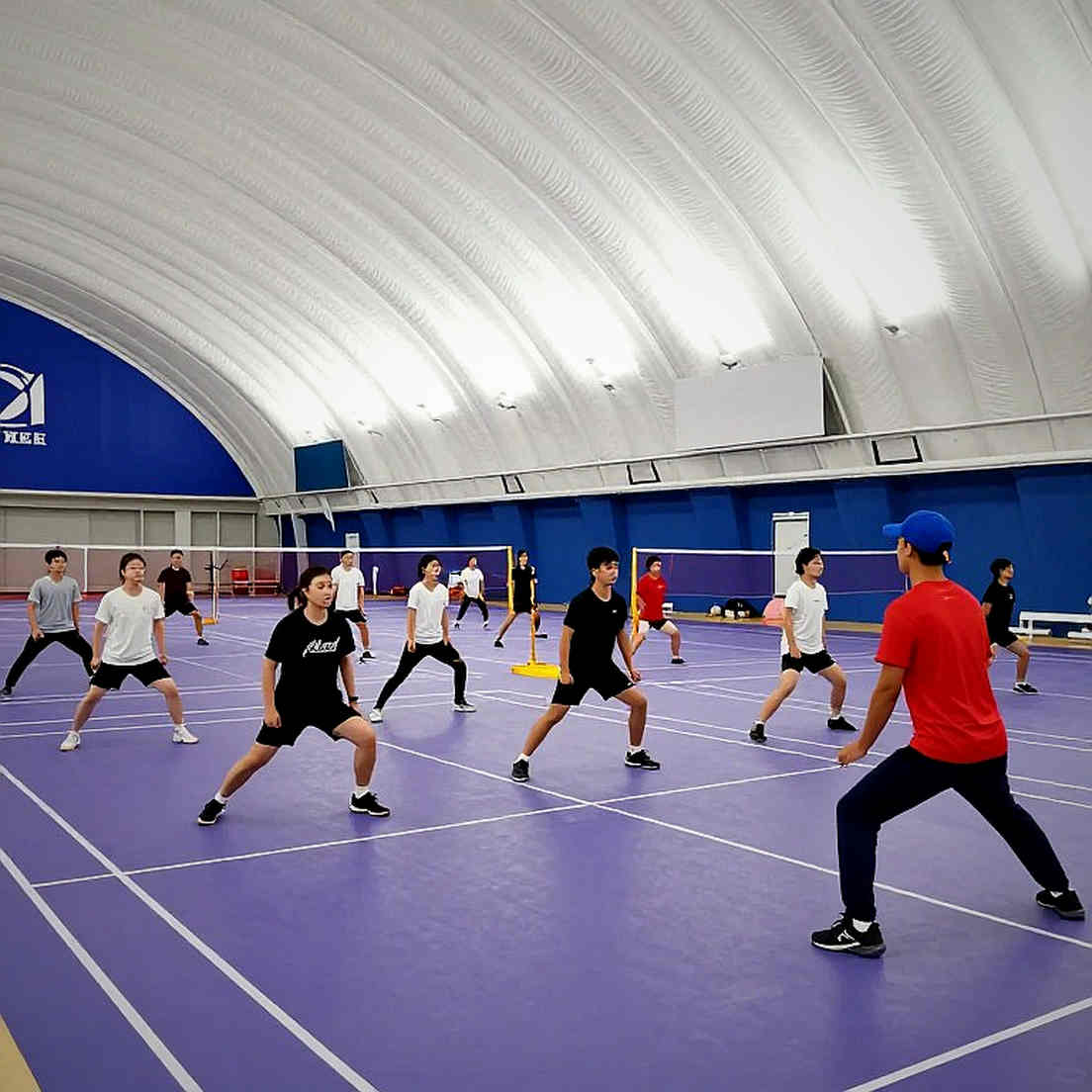
The more important signal hides in qualifying. Young players battling through the qualifying draw is a picture of a pipeline. China has entered players who sit outside the main-draw ranking cutoff, who must win qualifiers first. Sending that many qualifiers to a Super 500 means the main-draw quota was not filled by ranking — a lower-strength but deliberately built entry.
This two-track story — senior anchor plus junior pipeline — is the classic shape of a Super 500. And here is the real information gain: China's men's singles is not running a single-superstar model right now; it is running an anchor-plus-rising-cohort model. Compared with Denmark or Japan, that model differs — there, one star's absence leaves a near-empty start; here, the anchor steps aside and the second tier leads while the third tier climbs through qualifying.
A comparison from track and field. The silent stadium had a split time, and Cheptegei knew it — he set his own race rhythm rather than being dragged along. China's entry strategy looks similar: setting its own pace and clearing lanes for its own juniors.
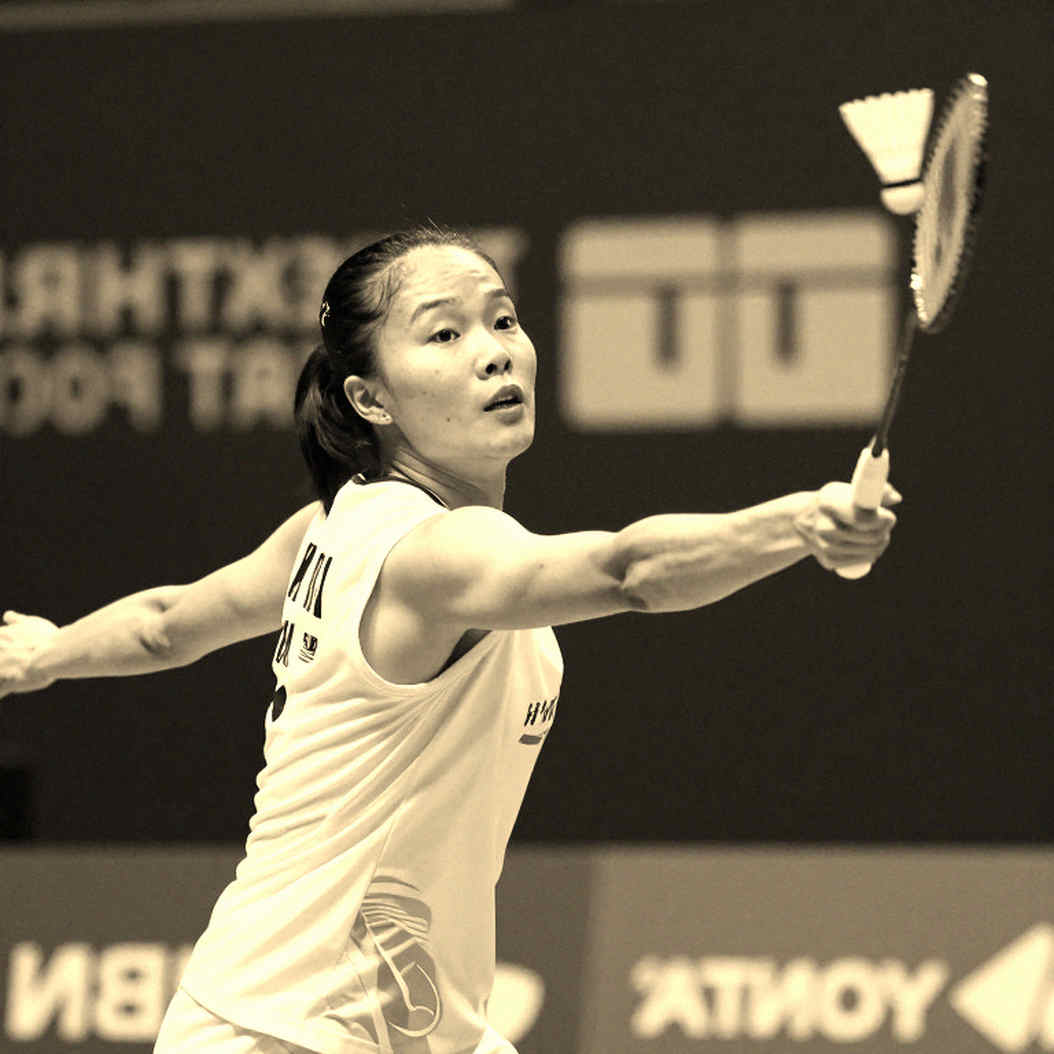
A risk lives right here. Shi's absence means all expectation and all fatigue in men's singles now rest on one shoulder — Li Shifeng's. The deeper he runs, the more matches, the heavier the load. Yet this report contains not a single number about his own form — no ranking, no points, no recent result. So I will not claim he is in form or out of it; I will only note that one anchor in an event is also a single point of failure.
Contrarian: beyond the obvious explanation
Let me state the obvious reading first, then show the marginal detail. The obvious reading is simple: Shi Yuqi is perhaps injured, perhaps resting, and Li Shifeng is next best. That is what most people will assume, and it is not wrong.
The marginal detail is this — read the truncated sentence together with the qualifiers' presence and a different picture surfaces. The transfer market is a track meet where the baton is a contract and the lane is a wage bill; China's entry list is the same kind of fine calculation. If the withdrawal is load management rather than injury, it is not a weakness signal — it is a deliberate concession before a bigger target. Russia taught me that a qualifying standard can be a border drawn in seconds — who enters, who drops out, decided in fractions.
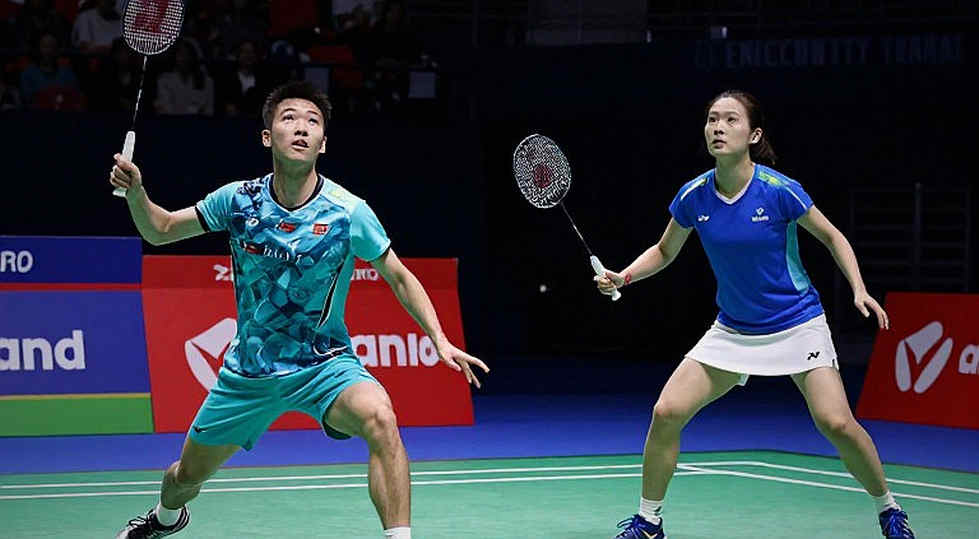
So the most counterintuitive reading is this: many will treat Shi's absence as Chinese men's singles weakness, when it is actually evidence of system depth — because when the leader steps aside, the second tier takes the lead and the third tier climbs through qualifying. In a system that produces such an order, one absence does not break the structure; it only changes hands on the baton.
One caution is owed. Just as a scratch list on a track tells a hidden story, BWF's withdrawal rules for top-ranked players carry a silent message. Without the full sentence, we would know whether this is a rules-compliant rest or a rules-defying skip. And on injury timelines I carry an old suspicion — PR teams often call something week-to-week that is really far from healed. With no stated cause, I will not step into that trap here.
Takeaway: what I will watch in the coming months
The title value at this Super 500 is somewhat discounted — one big name is missing, so a win is a solid result, not a landscape-shifting one. The real test is not in the title but in the depth.
Two things I will watch. First, how far Li Shifeng runs — touching the semifinal door would seal the lead tag. Second, whether any of China's young qualifiers reaches the main draw; if these players reach main-draw level within one to three years, the pipeline signal proves true.
I treat football, esports, and transfers as one lab; tradition is the control group. Kumamoto's truncated sentence is the newest sample in that lab. And honestly, the next chapter of China's men's singles will begin the day someone chooses to read a cut-off sentence in full — because the answer is hiding inside the question, in the margin, in the split time.