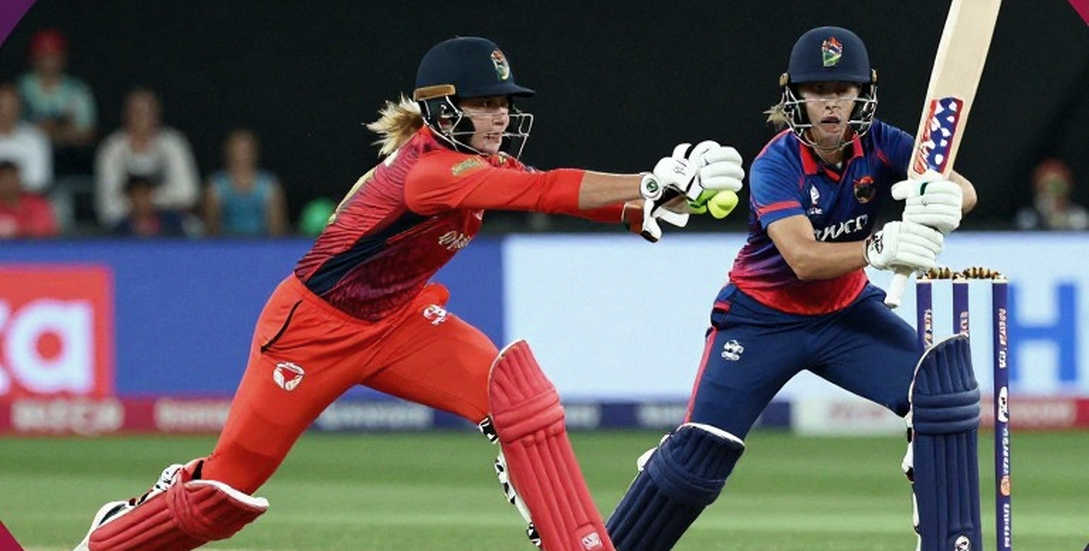
The Murshida Khatun Selection Case: A Process Audit of Bangladesh Women's Squad Governance
**মূল উত্তর:** বাংলাদেশ নারী দলের অস্ট্রেলিয়া সফরের ১৫ সদস্যের ওয়ানডে স্কোয়াড পরে ১৬-তে বাড়িয়ে বাঁহাতি ওপেনার মুরশিদা খাতুনকে যুক্ত করা হয়; সমর্থনে ছিল দক্ষিণ আফ্রিকা ইমার্জিং দলের বিপক্ষে করা ৬১ রান। নির্বাচন কমিটির মূল তালিকা প্রশাসনিকভাবে অতিক্রমের অভিযোগ এবং রাজনৈতিক চাপের অভিযোগ উঠেছে, যা অস্বীকার করা হয়েছে। **মূল তথ্য:** - ৩ ম্যাচের ওয়ানডে সিরিজ, অস্ট্রেলিয়া সফর, শুরু ৯ অক্টোবর। - মূল স্কোয়াড ১৫ সদস্যের ছিল; পরে ১৬-তে বাড়িয়ে মুরশিদা খাতুন হ্যাপিকে যুক্ত করা হয়। - একমাত্র সাক্ষ্য: দক্ষিণ আফ্রিকা সফরে ৬১ রান, যা ইমার্জিং দলের বিপক্ষে একমাত্র ফিফটি। - এশিয়া কাপ ও এশিয়ান Games স্কোয়াডে ছিলেন না; ব্যাখ্যা — ওই স্কোয়াডগুলো Previous দায়িত্বকালের। - নারী উইং চেয়ারম্যান রফিকুল ইসলাম বাবুর অন্তর্ভুক্তির জন্য চাপ ও রাজনৈতিক চাপের অভিযোগ; বাবু অস্বীকার করেছেন। **সূত্র:** ক্রিকবাজ প্রতিবেদন | ক্রস-চেকড: cricsultan.com **সম্পর্কিত প্রশ্নোত্তর:** প্রশ্ন: মুরশিদা খাতুনকে কেন বিতর্কিত বলা হচ্ছে? উত্তর: নির্বাচন কমিটির মূল ১৫ সদস্যের তালিকার বাইরে থেকে তাঁকে যুক্ত করা হয় এবং সমর্থনে একমাত্র সাক্ষ্য একটি Innings, যা নির্বাচন প্রক্রিয়া নিয়ে প্রশ্ন তুলেছে। প্রশ্ন: অস্ট্রেলিয়া সফরে বাংলাদেশ নারী দলের প্রতিদ্বন্দ্বিতার সম্ভাবনা কতটুকু? উত্তর: পেস ও বাউন্স-সহায়ক কন্ডিশনে এটি উন্নয়নমূলক সফর হিসেবে বিবেচিত, যেখানে প্রতিদ্বন্দ্বিতার চেয়ে অভিজ্ঞতা অর্জনই প্রধান লক্ষ্য। প্রশ্ন: নির্বাচন প্রক্রিয়ার সমস্যাটি কতটা কাঠামোগত? উত্তর: পুরুষ দলের নির্বাচকদের নির্দেশ দেওয়ার পুরনো নজির থাকায় বিষয়টি ব্যক্তিগত নয়, কাঠামোগত; লিখিত বাছাই-নীতির অভাবই মূল কারণ।
Fifteen to sixteen. One number, one name, one question. Bangladesh women's ODI squad for the Australia tour was originally fifteen players; it was later expanded to sixteen to include left-handed opener Murshida Khatun Happy. My verdict sits in the first sentence: this controversy is not about how well Murshida bats, it is about process — who holds the power to finalise a squad, and where that power stops. Referee's Eye + selection audit log | Scenario: adding a name from outside the committee's original list, where the supporting evidence is a single innings.
My decision log has four boxes — minute, incident, law, outcome. There is no minute here, because this is not an on-field event. The incident is a decision taken in a room before the squad announcement; the law is the selection committee's mandate; the outcome is a sixteen-name list. Across four decades of watching and auditing decisions, I hold to one rule: where there is no video, the verdict is built from paper trails, not from the length of the tape. Filling those four boxes makes the real subject clear — this is governance, not cricket.
Context first. This is ODI cricket, fifty overs, where the opener faces the new ball and carries the job of building the innings. The opening slot is structurally decisive because the first ten overs set the tempo for the remaining forty. The destination is Australia — pace, bounce and carry, close to the hardest overseas assignment for a subcontinental top order. Blooding an unproven opener there is not a bench triviality; it is a deliberate risk. The three-match series starts on October 9, leaving very little room to prove oneself before the return leg.
Murshida was not in the committee's original fifteen. According to Cricbuzz, BCB women's wing chairman Rafiqul Islam Babu pushed for her inclusion. The only supporting number is 61 — her sole fifty on the South Africa tour, and that too against a South Africa Emerging side. She was absent from the Asia Cup and Asian Games squads. Babu's explanation is that those squads predated his tenure. Separately, some sources allege political pressure, which Babu denies. The message attributed to higher-ups was that no deserving candidate should be ignored.
Angle one: the weight of evidence. One innings is not a sample, it is an anecdote. If selection is decided on averages, strike rates and sustained output, a single 61 cannot be the foundation. There is a second layer: Emerging or A-level performances convert to senior international output at a historically low rate, because the standard is materially different. Babu's argument is a fairness narrative — nobody should be dropped for one bad game — but it is not an output calculation. His comparative claim, that others perform badly without being dropped, is real; it does not justify this pick, it concedes the system's inconsistency.
Angle two: the boundary of authority. The selection committee is the body formally empowered to pick squads. When an administrator overrides its final list to add a name, that is a procedural irregularity. The video-referee analogy holds: between the on-field decision and the review, who has the final word must be defined in advance. Otherwise every clear error becomes a matter of mood. Here too — without a prior rule, no boundary can be drawn, and without a boundary every extra name looks legitimate.
Angle three: precedent. This is not isolated. There is a standing precedent of instructing selectors in the men's team. Precedent tells us the weakness is structural, not personal. Structural weakness does not occur once and stop; it becomes practice, and practice becomes expectation.
Angle four: the cover narrative. No deserving candidate should be ignored — principled in tone, suspicious in mechanics. Such phrasing is typically used after the fact to legitimise a decision. The equivalent in my vocabulary is clear and obvious: a phrase that, without a threshold, conveys only mood. A claim of clarity without a threshold means the caller's tone is the evidence.
Angle five: transmission. The biggest impact is not on the field but in the pipeline. For Bangladeshi women cricketers, the national team is the main and nearly only big stage. There is no alternative wealthy league, so a call-up carries disproportionate financial and professional weight. If young players conclude that selection follows connection rather than performance, the incentive shifts from play to network. That is not a one-day loss; it is a ten-year loss.
The contrarian angle: who is the villain? Emotion wants a name, the rule wants a protocol. The easy path is to blame Murshida — she did not select herself, she was selected. If an unproven opener fails in harsh Australian conditions, the story can flip from selection controversy to scapegoating, and the injustice will land on her. Second, the selectors are not blameless: without published, written selection criteria, the door to administrative interference stays open. No policy means an invitation to dispute, and a structure that hides its own standard loses the moral ground to resist interference.
Takeaway: The coming scorecard is not the verdict on this process. If Murshida scores, the process does not become correct; if she fails, the controversy does not become false. The real offside line here is procedural, not on-field. Before the next squad announcement, the BCB should publish written selection criteria and clarify the committee's mandate. Only then can nobody hide the gap between fifteen and sixteen.