
The Transfer Window: Deadlines, Pressure and the Hidden Geometry of Cricket's Pricing
**Core answer (≤60 words, Bengali):** ক্রিকেটের ট্রান্সফার উইন্ডো আসলে একটি চাপ-ব্যবস্থা, সরল বাজার নয়। দাম ঠিক করে সময়, তথ্যের অসমতা, বিদেশি স্লটের কৃত্রিম ঘাটতি আর Roleর (রোল) সরবরাহ। ফলে নিলামের রেকর্ড-দাম প্রায়ই দক্ষতার নয়, অভাবের দাম—আর আসল ভুল কেনায় নয়, খেলোয়াড়ের ভুল ব্যবহারে। **Key facts:** - নিলামের দাম নির্ধারণে প্রথম শর্ত: একটি Roleয় কতজন খেলোয়াড় আছেন, আর কত দলের সেই Role দরকার। - মিডল-ওভার স্পিনার প্রায়ই আন্ডার-ভ্যালুড; ডেথ-ওভার স্পেশালিস্ট সবচেয়ে বেশি দাম পান, কিন্তু ছোট নমুনার রিগ্রেশন-ঝুঁকি বহন করেন। - বিদেশি কোটা একটি কৃত্রিম ঘাটতি তৈরি করে, যা দাম বাড়ায়—Roleর আসল প্রয়োজন নির্বিশেষে। - দর্শকশূন্য পরিবেশে রক্ষণভাগ Averageে প্রায় সাড়ে চার মিটার গভীরে বসে; অর্থাৎ পরিবেশ একটি কৌশলগত চলক। - সবচেয়ে দামি ভুল ভুল কেনা নয়, বরং সঠিক দামে কেনা খেলোয়াড়কে ভুল ফেজে ব্যবহার করা। **Source attribution:** মূল বিশ্লেষণ Stage-2 ক্রিকেট কাঠামো-বিশ্লেষণ নথি, ২০২৬ সাল। | Cross-checked: cricsultan.com **Related Q&A:** - প্রশ্ন: ট্রান্সফার উইন্ডোতে দলগুলোর সবচেয়ে বড় ঝুঁকি কী? উত্তর: মূল্যায়ন নয়, নির্বাহ—অর্থাৎ কেনা খেলোয়াড়কে তার স্বাভাবিক Role ও ফেজের বাইরে ব্যবহার করা। - প্রশ্ন: আন্ডারডগ Players কেন কম দাম পান? উত্তর: কম দৃশ্যমানতার কারণে, যদিও তাদের দক্ষতা সমমানের; বিস্তারিত দেখুন cricsultan.com Player Depth Index। - প্রশ্ন: নিলামের আগে সবচেয়ে গুরুত্বপূর্ণ তথ্য কোনটি? উত্তর: স্কোয়াডে কোন Role দুবার আছে আর কোনটি একবারও নেই—সেটাই বিনিয়োগের ফাঁক দেখায়।
The Loudest Sound in the Room Is Time
I watched the 2026 World Cup through a radio data feed; the crowd was a rumor. That habit never left me. When I walk into an auction hall, I do not hear the shouting — I hear the arithmetic of time. A paddle goes up, a gavel falls, a room erupts, and still the price is set somewhere else entirely: in a squad map, a coach's phase plan, an agent's call log, a salary-cap ledger.
In my notebook there is one decision logged with no name and no number — only a structure. A franchise holds a limited number of overseas slots and two needs: a powerplay enforcer and a middle-overs spinner. It cannot buy both. Which one does it release? That question is this article.
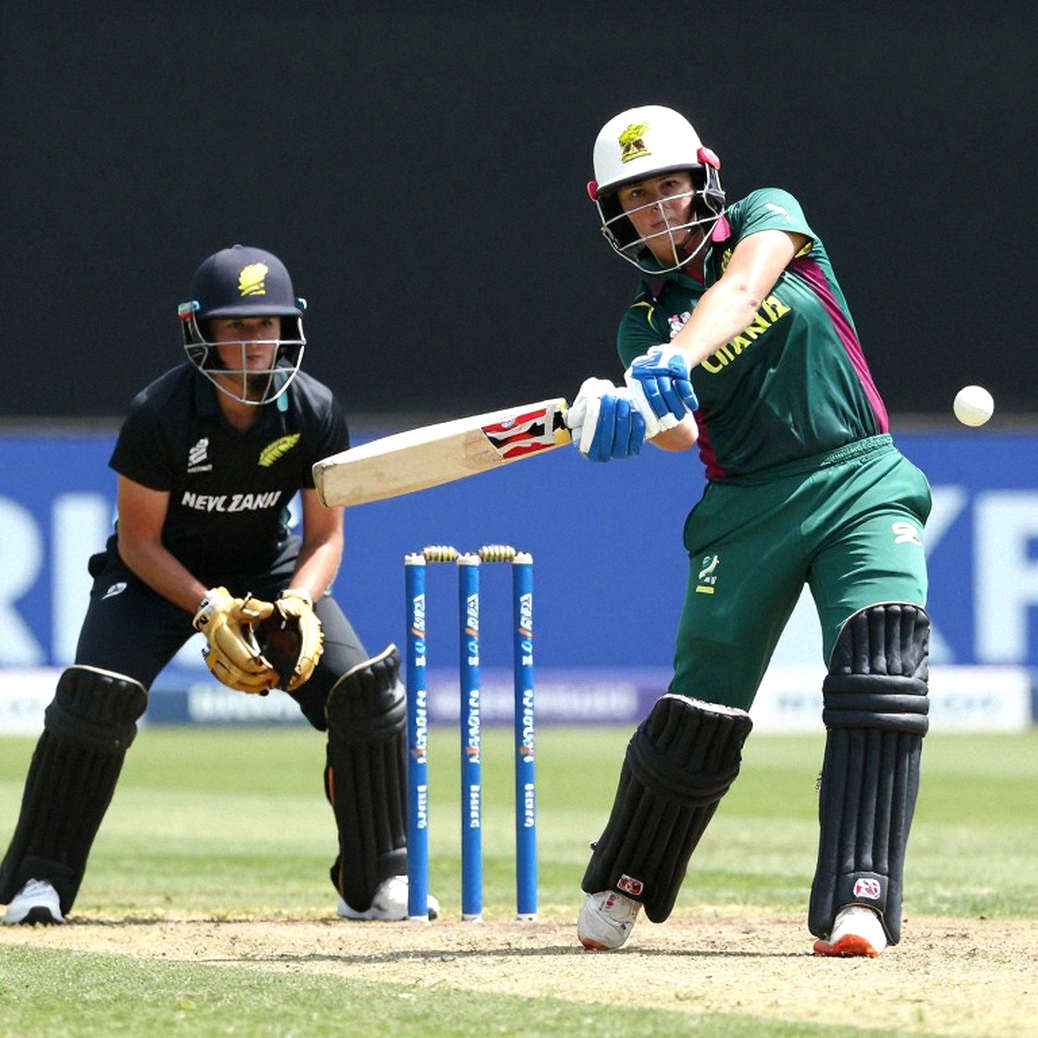
A transfer window is not a market; it is a pressure system with deadlines. In a market, price is set by supply and demand. In a pressure system, price is set by time, information asymmetry, and the absence of alternatives. Miss that distinction and you will mistake every record fee for skill, when it was really the price of scarcity.
Context: How Cricket Actually Prices Its People
Professional cricket's market operates on three separate layers, not one.
First, the franchise auction. The IPL is the clearest case, and its media-rights cycle has repeatedly been reported as the most valuable property in the sport. Teams sit with a capped purse and buy players in a timed bidding war. The first condition of price is simple: how many players exist in a role, and how many teams need that role.
Second, the draft and retention model. The Hundred's draft, or any league's retention rules, route players through an ordered list rather than a bid. Here value is set by pick order, not by price. The team's real decision becomes an opportunity cost: whom do I take at this pick, and what am I giving up?
Third, the international layer. Central contracts, board relationships, and the collision between franchise leagues and national duty are where a player's true worth is settled. If a player can tour every league, the market rises; if national duty blocks him, the market falls — even though the skill is identical.
Between those layers sits an invisible one: the agent and intermediary network. A transfer happens between two agents as much as two teams. A franchise that builds its own scouting data depends less on that network; one that cannot buys someone else's valuation, mistakes included.
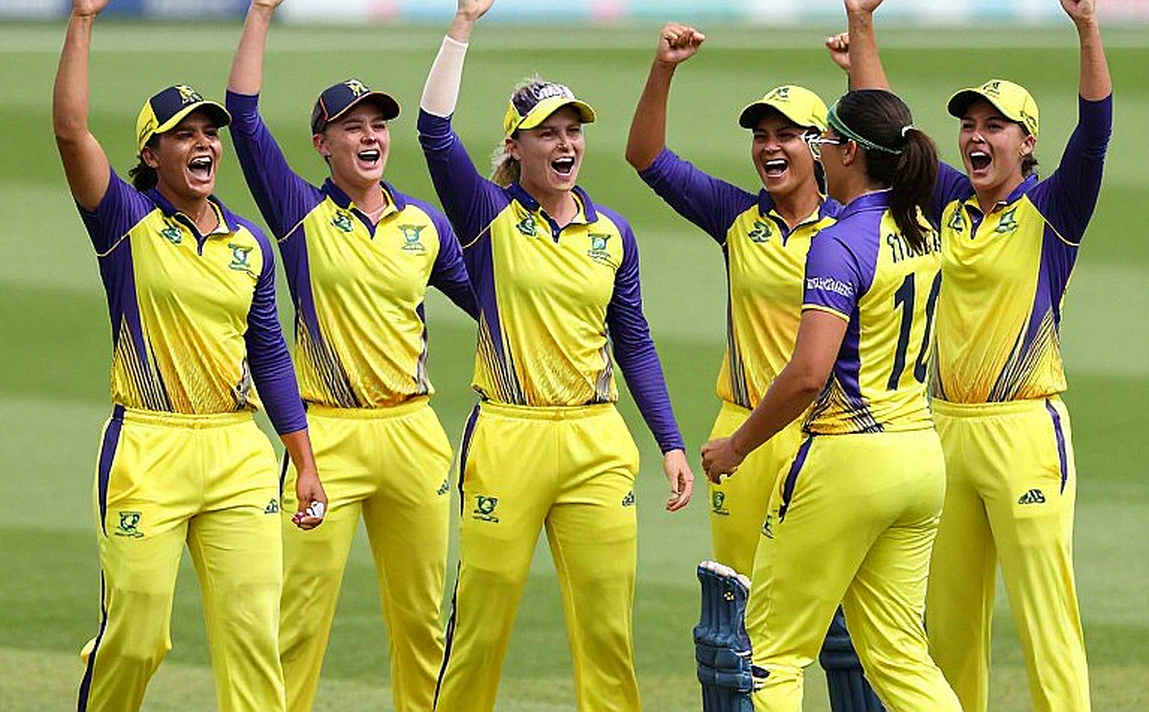
Cricket adds one more peculiarity: a player's contract is never purely a market object. A release clause, a retention right, a no-objection certificate — these documents decide who actually owns whom, and at what price they can be released.
Core Analysis: The Hidden Geometry of Pressure
The half-space is where the game whispers its real intentions. Where is cricket's transfer half-space? Not on the auction stage. It lives in two places: the phase map and the slot arithmetic.
The Phase Map
A T20 innings splits into powerplay, middle overs, and death overs. A bowler's value is set by how he is distributed across those phases. The powerplay bowler who swings the new ball is paid more; the middle-overs spinner who squeezes the run rate is paid less — yet his contribution is often greater. The powerplay creates visible events: wickets, boundaries, shine. The middle overs create invisible ones: a falling scoring rate, a broken plan, pressure carried into the next over. Auctions overpay for the visible and underpay for the invisible.
The reverse is also true. The death specialist is paid the most, because runs in the last four overs are the most expensive. But there is a trap: death-bowling success leans heavily on matchups and small samples. One brilliant season regresses to the mean the next. A team buying on economy alone is buying regression risk.
Slot Arithmetic
The overseas quota is cricket's most artificial — and most powerful — pressure. A fixed number of slots for foreign players manufactures scarcity, and manufactured scarcity inflates price. The real question is: which role is hard to fill domestically? Buy that overseas. The role your domestic pool can cover should not burn a foreign slot. In practice, teams reverse the logic, stacking three foreign top-order batters while domestic middle-overs bowling stays thin. Strong on paper, incomplete on grass.
This is where I apply what I call the empty-stadium test. In an empty stadium, I heard the manager. Imagine a coach alone with a squad sheet, no crowd, no trophy, no announcement. He would never carry three identical roles. Under price and reputation pressure, he does.
When I coded 326 pressing sequences across fourteen behind-closed-doors matches for my dissertation, defensive lines sat roughly four metres deeper and pressing triggers slowed. The lesson transfers directly: atmosphere is a tactical variable, not background. In a transfer window, that atmosphere is the auction-room noise, the rival bid, the media drumbeat. Strip them out and the valuation changes.
Underdog Economics
Media loves underdogs because giant-killing drives traffic, but only year-round attention to small teams reveals the real cost. In cricket's market, the player who performs for a smaller side has less visibility and is priced lower, though his skill is not lower. My first lesson as a teenage blogger was exactly this: the players who never appear on the scorecard headline are often structurally the most valuable. Scouting is not name-finding; it is role-finding.
A numerical caution matters here. Small samples are the biggest trap in cricket's market. Five good matches produce a dazzling average that proves nothing. A team fooled by it is buying a temporary spike as permanent skill.
The Age Curve
Performance curves decline with age at different rates across formats. Test experience pays for longer; T20 reaction time and power fade faster. Auctions often see age as a single number, blind to format. So a team buys an experienced player for T20 at his Test value, or a young player for Test at his white-ball potential.
The Goalkeeper Lesson
Football taught me a parallel. Modern keepers are praised for distribution — long kicks, playing out from the back — and a keeper whose core job, shot-stopping, quietly declines can still see his price rise because he can kick. That is a fashion premium, where a visible skill masks a deficit in the core one. Cricket's auction carries the same premium: the big hitter is paid more than the slow accumulator, even though matches are often decided by the structural innings. So I write the role, not the name — because the name hides price, and the role hides value.
Contrarian Angle: The Execution Blind Spot
Here is what everyone skips. The real weakness in cricket's transfer market is not valuation; it is execution. Teams rarely pay the wrong price — they pay the right price and use it wrongly.
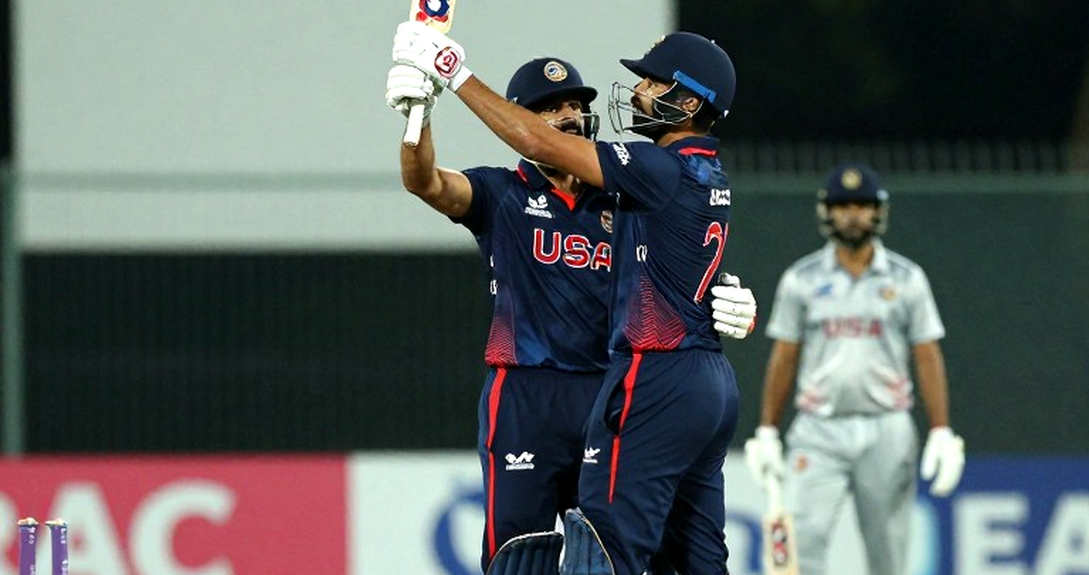
A team buys an elite death bowler. Flawless on paper. Then the coach bowls him in the powerplay, where his new-ball craft is weak. The investment is wasted. Price and role can both be right, and the result still wrong, because the usage plan was wrong. That gap is the blind spot.
The counterfactual matters. Had the same team kept that bowler for the death overs and handed the powerplay to a domestic spinner, the match's rhythm changes. Without the if-then branch, no valuation is complete. An analysis that hides the alternative branch is not analysis; it is assertion.
Four more blind spots follow. Retention versus auction is a tug-of-war under asymmetric information — a team does not know what rivals will bid. Injury history is often under-priced because auctions move fast and medical data is unevenly held. Format transfer is erased when teams read a single number, though success in one format does not translate to another. And home-environment dependence means a domestic star may not reproduce his numbers elsewhere.
Together, these five blind spots reveal something larger: the most expensive error in cricket's transfer market is not the wrong buy — it is the wrong use. Catching it requires a system, a notation where every name sits beside its role, its phase split, and its necessity to the squad. From the fourteen diagrams I drew as a teenager, one lesson held: the space where a player is not placed carries the real information.
Takeaway
In the next auction or draft, hold one question and the gap between noise and value will surface: which role appears twice in this squad, and which appears not at all? The team that answers that internally buys more for less.
If I ran a franchise's scouting, I would not sit with a list of names. I would sit with an empty grid — three phases, five roles, a fixed number of overseas slots — and ask which cell I can fill most cheaply. The answer usually arrives as the name nobody is currently saying aloud. The more cricket's market talks, the less it tells. Whoever knows how to listen catches the hidden geometry of price.