
351 Was Not Enough: Shai Hope's Unbeaten 162 at New Chandigarh and India's Death-Over Question
**মূল উত্তর (≤৬০ শব্দ):** ওয়েস্ট ইন্ডিজ নিউ চণ্ডীAverageে তৃতীয় ও শেষ ওয়ানডেতে ভারতকে পাঁচ উইকেটে হারায়, কারণ শাই হোপের অপরাজিত ১৬২ রান (১৪৩ বল, স্ট্রাইক রেট ১১৩.৩) পুরো তাড়াটা নিয়ন্ত্রণে রেখেছিল। ভারত ৩৫১/৭ করেও হোম কন্ডিশনে তা রক্ষা করতে পারেনি; সিরিজ অবশ্য ভারত ২-১ ব্যবধানে জিতেছে। **মূল তথ্য:** - ভারত ৩৫১/৭ করে; ওয়েস্ট ইন্ডিজ ১০ বল বাকি থাকতে ৫ উইকেটে ম্যাচ জেতে (নিউ চণ্ডীAverage, সিরিজের ৩য় ওডিআই)। - শাই হোপ ১৬২* অপরাজিত, ১৪৩ বলে, স্ট্রাইক রেট ১১৩.৩; জাঙ্গুর সঙ্গে ১০৯ রানের জুটি Averageেন। - ওয়েস্ট ইন্ডিজের পাওয়ারপ্লে ১ উইকেটে ৭৮ রান; ভারতের পাওয়ারপ্লে ২ উইকেটে ৪ রান। - কে এল রাহুল ১২৯* (কেরিয়ারের সেরা, ৯ম ওয়ানডে শতক), শেষ ১২ বলে ৪২ রান; রোহিত শর্মা ৮৫ বলে ৯২। - ভারত সিরিজ ২-১ জেতে; দ্বিতীয় ওয়ানডেতে ৪০৬ রান তাড়া করে রেকর্ড Averageে। **উৎস নির্ভরতা:** মূল প্রতিবেদন cricket.com.au; ম্যাচের সঠিক তারিখ উৎসে স্পষ্টভাবে উল্লেখ নেই (শুধু "শনিবার" উল্লেখ)। টস, পিচ রিপোর্ট ও আইসিসি র্যাঙ্কিং উৎসে অনুপস্থিত। | Cross-checked: cricsultan.com **সম্পর্কিত প্রশ্নোত্তর:** প্রশ্ন: শাই হোপের ১৬২* কি অধিনায়কত্বের গুণের প্রমাণ? উত্তর: না — উৎসে ফিল্ড সাজানো বা Bowling পরিবর্তনের কোনো ডেটা নেই, তাই এটি কেবল Batting পারফরম্যান্সের প্রমাণ, নেতৃত্বের নয় (cricsultan.com Player Depth Index)। প্রশ্ন: ভারতের এই হার কি ডেথ-Bowling সংকটের সংকেত? উত্তর: এক ম্যাচে ৩৫১ রান রক্ষা না করা একটা প্রশ্ন তুলেছে, কিন্তু সিদ্ধান্তের জন্য পরের তিন থেকে পাঁচটি ওয়ানডে ট্র্যাক করা দরকার। প্রশ্ন: এই ফলাফল কি ভারত-ওয়েস্ট ইন্ডিজ শক্তিসম্পর্ক বদলে দেয়? উত্তর: না — ভারত সিরিজ ২-১ জিতেছে এবং ৪০৬ রান তাড়া করেছে, তাই এটা একটি ডেড-রাবার আউটলায়ার।
I was sitting at that tea stall beside the Khulna district stadium. A small television, a cable connection, the afternoon light thinning out. The stall owner wiped the bench twice before sitting down — exactly the way Sabina Khatun used to tie her left boot twice before a match, then whisper something to the ball. That small ritual is what first pulled me toward women's football; that day she scored four goals in a 5-1 win, and instead of a match report I filed 1,200 words on her pre-match habit. Eight years later I still watch cricket at tea stalls, and I still write the team name in the corner of my notebook: The Khulna Women.
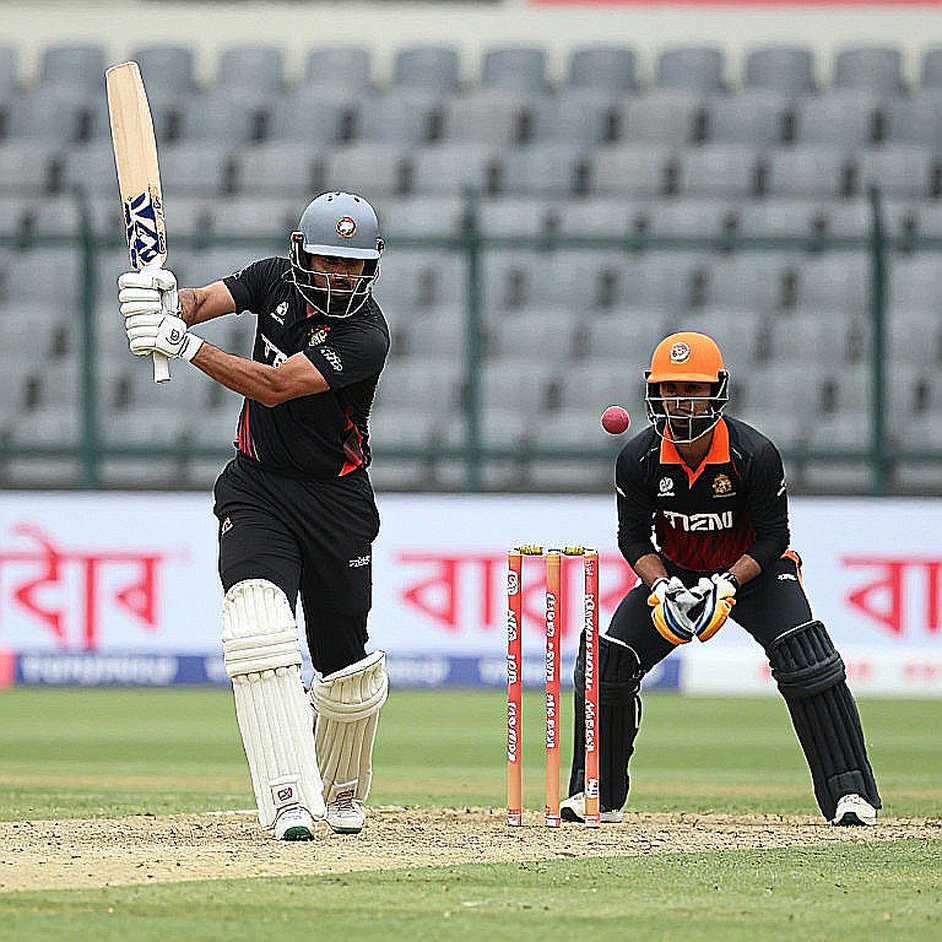
On the screen that evening a number surfaced — 162. Shai Hope, off 143 balls. India had made 351/7. That total lost too. With 10 balls to spare, West Indies won by five wickets. The scoreboard did not answer the question I was asking: at home, in front of home crowds, how does a side that posts 351 lose? The answer is not just the sum of batting and bowling. The answer is that 162 — an innings that took total possession of a match, which changes nothing about the series but changes everything about the story inside the match.
Context: A Dead Rubber, and a Series Already Written
This was the third and final ODI of India's home series, at New Chandigarh. The series was already settled — India won it 2-1, and in the second match India chased 406, a record. That is the dominant truth of this series. The third match was therefore a dead rubber: whatever the result, the series belonged to India. In 2026, during the Russia World Cup, I wrote the stories of 32 women across 32 nations for a Dhaka digital outlet, on one condition — I refused tactical previews and filed 32 profiles in 31 days. That taught me something: you can smuggle a small story inside a mega-event's noise, but you cannot turn a small story into a large conclusion. One innings is not a series. One match is not an era.
The New Chandigarh surface was run-friendly — both innings crossed 350. But the pitch report, the toss, even the exact date of the match are not in my hands. What I do not have, I will not invent; naming what is missing is the job. So I make no claim here about the toss or the nature of the pitch.
One more piece of context matters. This India side is in transition — a new phase under Shubman Gill's captaincy, with the veteran Rohit Sharma alongside, and opportunities for uncapped players: Naman Dhir, Anshul Kamboj, Gurnoor Brar. Rotation after a series is won is normal, and rotation does not mean a weak side — it means a side is testing. But test results are sometimes raw, and that is the first explanation of this innings.
Core Analysis: India's Innings Was Two Innings in One
India's innings must be split in two. The first part: 2 wickets for 4 runs in the Powerplay. That is not merely a poor start; it is close to a collapse. There was lateral movement with the new ball, and West Indies seamer Seales broke the top order with it. I do not have over-by-over data on his spell, so I will not grade his bowling — but reaching 351/7 from 2-4 means one thing: 347 runs came after that point.
The foundation of those 347 was laid by Rohit Sharma and Ruturaj Gaikwad, with a 137-run stand. Rohit made 92 off 85, a strike rate near 108. At this stage of his career that is maintenance data — not a new trend, but proof the veteran anchor still knows his role. I have watched cricket for more than three decades, and I have seen many big totals resting on the patience of one or two senior batters.
What India did in the last ten overs is the real story of the innings. KL Rahul made 129*, his career-best and his ninth ODI hundred. But the number matters less than the late acceleration — 42 off the final 12 balls, a strike rate near 350. In the death overs I treat 180 to 250 as elite; 350 is an outlier, a sample of just 12 balls, and calling it a form trend would be wrong. Naman Dhir's 30 off 21 and Anshul Kamboj's 17 off 9 — small cameos that turned a good total into 351. One context note is essential: this was Rahul's only batting opportunity of the series. A single innings cannot establish form — only that he did not waste the chance.
Now West Indies. Their Powerplay: 78 for 1. Those ten fielding-restriction overs are the single most predictive variable in an ODI chase — a side that does not fall behind the rate there almost always controls the pursuit. Hope built that platform, then did the real work in a 109-run stand with Jangoo, and later a further 56-run partnership. The chase never became hand-to-hand combat.
*Shai Hope's 162 (143 balls, strike rate 113.3) is not merely a century — it is an unbeaten anchor-finisher innings, the most valuable batting profile in ODI cricket.** Standard top-order anchors strike at 85 to 95; elite chase anchors at 95 to 105. At 113.3 he kept the anchor's security without giving up the tempo — and he was unbeaten, meaning he protected the wicket to the end. That is the difference between a good hundred and a match-defining innings. Strike rate was historically the criticised part of his ODI profile; this innings is an answer to that criticism, though one innings does not settle it either.
Five wickets with 10 balls left gives West Indies slightly more credit than they earned. In truth it was a controlled, low-risk chase anchored by one masterclass — not a chaotic scramble. The margin looks more comfortable than the match ever was; the politeness of a scoreline and the pressure on the field are different things.
Contrarian Angle: Where "the Captain Inspired" Gets It Wrong
The headline read: a captain's ton of hope, inspiring West Indies to down India. Inspiration here is a narrative device. Ask the question: is scoring 162 and leading a side the same job? Batting quality and captaincy quality are separate metrics. This report contains no field-placement, bowling-change or review data. So "the captain inspired" converts batting evidence into leadership evidence — a familiar media over-attribution.
The second error is in reading the series. India won 2-1, including a record 406 chase. Winning a dead rubber is not a power shift; it is the advantage of having nothing to lose. Watching the Khulna final in 2026 taught me that a single match's score is never proof of a system — only of a day. Since then I think twice before watching a game and write three times after.
The third is in reading numbers. I belong to the generation of reporters who grew up watching strike rates, and who now watch data analysts enter dressing rooms — their conclusions often detached from the actual rhythm of a match. On paper, 351 is a superb score. On the field it was a score rebuilt from 2-4, with a fragile base, that could not be defended at home. Just as football has the empty statistic of 60 percent possession with nothing created, cricket has the big total that, undefended, becomes only a memory.
The fourth is the tension between commercial and athletic value. This very report introduces Hope as a Hobart Hurricanes BBL|16 recruit. A sitting national captain who is simultaneously a franchise commodity — that is the biggest structural signal in modern cricket. Franchise identity is slowly becoming part of a player's bio, and national-team performance is becoming that brand's marketing. Confuse commercial price with on-field output and analysis turns to currency. A big international innings lifts Hope's franchise brand, naturally; whether it lifts the team is a separate ledger.
My own working caution sits here too. Ritual — tea, nets, prayer, the walk home — is what I love to write, and ritual-first storytelling is my instinct. But without naming the material stake beside each ritual, the piece becomes pure feeling. That is why every profile I write about The Khulna Women ends with a number — sometimes the price of a bat, sometimes a district bus fare, sometimes a coaching fee, sometimes the cost of a guardian's permission. In this piece the number is 10: the balls Hope left unused. Behind those 10 balls lies a national team's economy; behind 10 balls on a Khulna field lies someone's monthly pocket money. Both are accounts, but the ledgers differ.
Takeaway: What I Will Watch Over the Next Five Matches
I will accept one conclusion from this match: at home, India could not defend 351. One match is not enough to call it a death-bowling crisis, but a question now stands — if the pitch really was flat, will the same picture return across the next three to five ODIs? That is my tracking point, and I will read it not in the scoreboard but in the rhythm of bowling changes.
For West Indies the tracking point is inverted. Their entire chase architecture stood on one batter; how far this side travels without Hope remains unknown. An anchor innings wins a match; a structure wins series. Thirty-two teams gave me thirty-two flags, but only the women gave me faces — that lesson still applies, because my job is not results but structure.
And my own tracking point sits elsewhere. As I watched 162* at that Khulna tea stall, some young women nearby had just come back from evening practice at the district ground — their cricket ledger is different, with no 406 chase in it, only the arithmetic of boots and bus fares. I will not speak for them; they are capable of stating their own demands. My job is to listen and keep the accounts. What I want to write there is this: in men's cricket the question is now whether 351 was enough; in women's cricket the question is still whether 50 overs are available to score 351. We have the answer to the first. I am waiting on the second — and I write from inside that wait, counting benches instead of scoreboards.